
For customers cutting ducts, metal enclosures or thin sheet, establish the material, thickness and cutting path before choosing a shear, nibbler or angle grinder. The requirement is a usable cut, not the highest voltage or fastest no-load speed. A configuration sheet identifying material conditions and consumables is more useful to a distributor than a promise to “cut every metal.”
As of 16 October 2026, Milwaukee’s UK website is featuring its M12 FUEL metal scroll shear, and its European announcement explains the tool’s curved sheet-cutting role. This is a recent product-promotion signal, not evidence of sales leadership. We use it to explain selection, not to rank brands or suggest that FORZMAX sells Milwaukee tools, helped develop them or shares their battery compatibility. Milwaukee’s European announcement
Define what “cutting metal” actually means
Sheet-metal requirements often become clear only when the cutting path is shown. Making a curved notch in ductwork, dividing a flat sheet, crossing ribs in profiled sheet and cutting a thick-walled steel pipe are different jobs. Combining them under one “metal cutting” label can leave a demonstration unrelated to the customer’s work.
Start with the material and actual thickness, then establish whether the workpiece is flat, curved or already folded. Ask whether the cut can enter from an outside edge or must begin inside the sheet, whether both sides are finished parts, and whether the edge will be assembled directly, folded or dressed afterwards. These answers affect head access, turning room and acceptable material loss.
“Thin stainless sheet” is still not enough to approve a tool. Request a grade or available material specification, a drawing and photographs showing the cut. If material information is missing, record the uncertainty and arrange an appropriate sample assessment; a supplier’s demonstration on a different sheet is not a substitute.
Judge a scroll shear by the cut and its direction
Milwaukee’s European announcement lists a minimum curve radius of 13 mm and capacities of 1.6 mm mild steel, 1.2 mm stainless steel and 2.0 mm aluminium for the featured scroll shear. These figures belong to that model and the manufacturer’s stated conditions, not every 12 V shear. The mild-steel limit must not be carried over to stainless. Official model information
For distributors, the useful feature to investigate is curve control, rather than cordless operation alone. At the same nominal sheet thickness, head manoeuvrability, clearance around a duct and the ability to follow the customer’s line can determine suitability. A stated cutting radius is not the smallest opening through which the whole tool can pass; it cannot answer every internal-access question.
Shears also differ in cutting mechanism. Check whether the particular design produces a waste strip, which retained edge may distort, and how the blades are adjusted and replaced. Do not label every shear completely chip-free or burr-free. Even when marketing stresses a clean cut, inspect the edge on the intended material and decide whether further finishing is necessary.
A nibbler’s profile capability is not universal shear capability
A nibbler progressively removes material with a punch and die. Selection therefore involves punch, die and head clearance; it is not simply an ordinary shear in a different housing. The small pieces produced during cutting also need to be considered in work-area cleaning and protection of finished parts.
Makita states that its JN1601 can cut flat and corrugated sheet with the same die, listing capacities of 1.6 mm mild steel, 1.2 mm stainless and 2.5 mm aluminium. This illustrates why capacities must be read by material and why a profiled-sheet claim needs model-specific support. It does not mean every nibbler clears every profile or rib height. Makita JN1601 information
Material strength is another easily missed condition. Milwaukee’s M18 FNB35 announcement lists thickness capacities for different steel-strength conditions rather than one unqualified maximum. A “material and strength condition” field helps prevent a thickness in the product name from becoming a promise for all metals. Milwaukee nibbler specifications
For an internal opening, confirm the starter-hole and entry requirements in the tool’s instructions rather than estimating from its appearance. Establish kerf width, turning limits and access beside folds separately. If both cut sides are needed, allow for material removed in the nesting layout before cutting, rather than discovering an undersized part afterwards.
Do not make an angle grinder the default for every sheet order
An angle grinder’s suitability still depends on the machine, cutting accessory and operation. A customer’s existing grinder does not automatically make it the right choice for a new sheet-metal task. Retain it for confirmed applications while assessing whether a shear or nibbler better addresses curves, profiles and finished edges.
For grinder cutting, check the permitted wheel, guarding, material application and speed limits individually. Do not twist or side-load a cutting wheel to follow a tighter curve. With coated sheet, check the sheet supplier’s permitted cutting and edge-treatment methods; do not promise that a process protects every coating. Our angle-grinder disc matching guide covers accessory limits that remain relevant here.
Separate the operations when comparing quotations. Does the customer need an assembly-ready notch, or will deburring, trimming or grinding still follow? Align the finished requirement before comparing tools and subsequent labour. If one option appears to remove a finishing step, verify that on the customer’s material rather than turning a demonstration video into a cost-saving claim.
Compare samples beyond a no-load demonstration
Illustrative example: a distributor supplies both duct installers and metal-enclosure fabricators. Both ask to cut thin steel, but one needs access around duct shapes while the other prioritises window dimensions and retained edges on flat sheet. Prepare representative material and cutting paths for each instead of asking both customers to accept the same demonstration. This is a recording example, not a real customer case.
Have the supplier first confirm that the sample tool and accessories are suitable for the material. Trained personnel should then assess them under appropriate protection and support conditions, following the instructions. Do not force cuts outside rated material conditions or ask an operator to remove guards or alter the head for a demonstration.
Record material and thickness, tool and consumable models, and power or battery configuration, with before-and-after photographs. Observe whether the path can be followed continuously, whether the retained edge visibly distorts, whether chips enter the finished assembly and whether subsequent fitting is affected. Dimensions and appearance should meet the customer’s agreed requirements, not an invented universal tolerance.
Include waste collection, workpiece cleaning and necessary edge finishing when evaluating productivity. Comparing fresh blades on one machine with worn blades on another does not isolate a brand or voltage advantage. Nor does one sample result represent every tool in a range, every material or every shift.
Confirm consumables and delivery scope together
A quotation for sheet-metal tools needs more than the machine model. Scroll shears require the correct blades and adjustment instructions; nibblers require matching punches and dies. Milwaukee lists a replacement blade set for a specified scroll-shear model, illustrating that replacement consumables need their own supply checks. A shared brand or similar appearance does not prove interchangeability. Replacement blade information
Order documents should identify the full model, material and thickness conditions, supplied cutters and spares, adjustment tools, battery and charger inclusion, and maintenance-document language. Record replacement-part supply arrangements and confirmed lead times separately; machine availability does not prove consumables are in stock. Do not mix regional models, kit codes and specification conventions into one specification sheet.
A useful enquiry reads: “Material and grade: ___; thickness: ___; profile: ___; cutting path and starting point: see attachment; retained-edge and assembly requirements: ___; existing battery platform or supply: ___; machine, consumables or complete kit required: ___.” This information makes it easier to determine whether to investigate a shear, nibbler or another cutting solution.
To plan a metalworking range, start with existing models in the FORZMAX product centre, then send material, cutting-path and accessory requirements through our procurement enquiry. Availability of a suitable specialist sheet tool, its performance and configurations must be confirmed against actual models. Competitor specifications in this article are not FORZMAX specifications.
Based on manufacturer information available on 16 October 2026. This is a selection guide, not independent testing, sales research or a brand ranking.
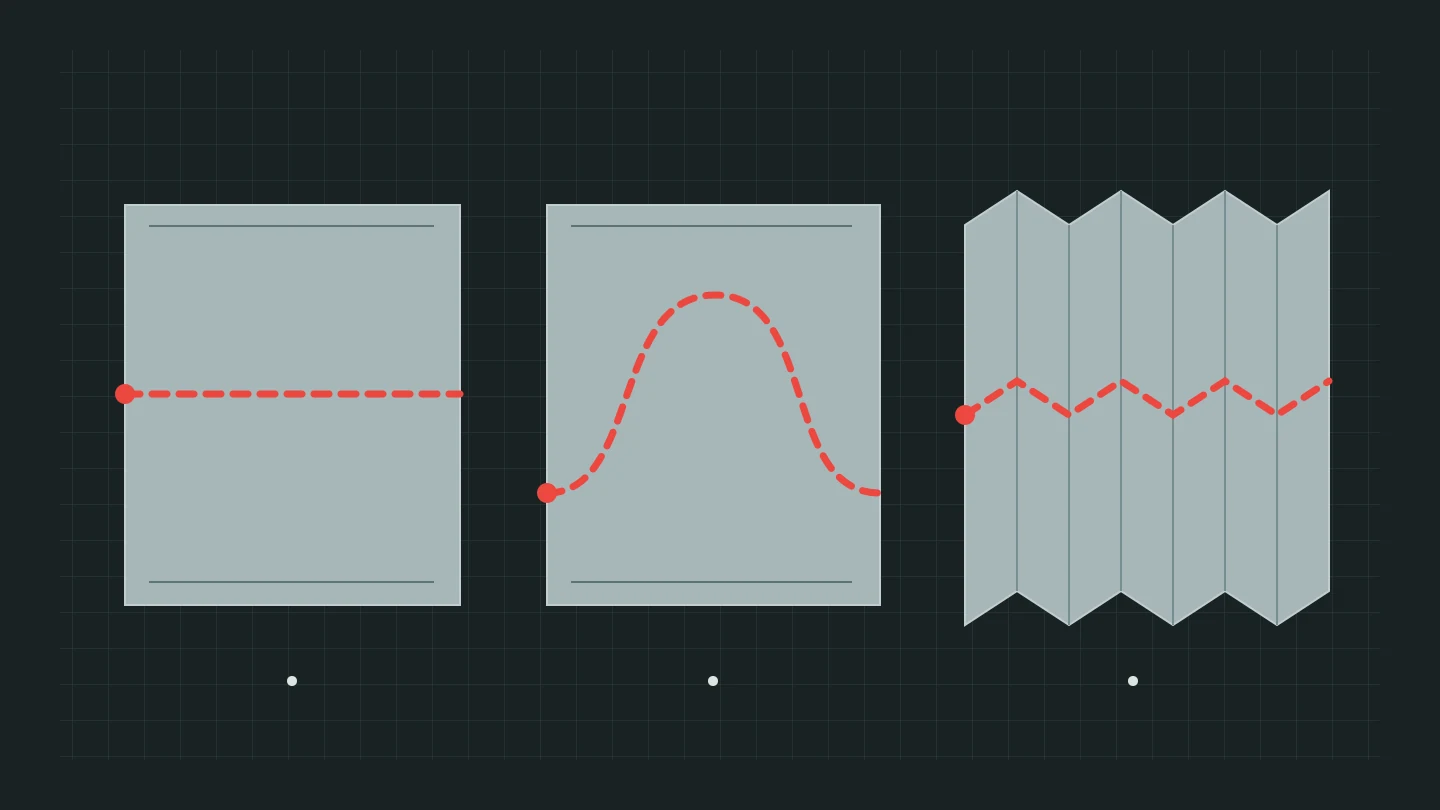
The cover is an original sheet-profile and cut-path diagram, not an actual machine, test result or scale drawing.