
Model and platform
Voltage, motor, torque, chuck, battery interface and target price position.

Power tool OEM and private label sourcing: choose models, branding, kits and packaging, then agree samples and quality checks.
Customization is confirmed against product choice, quantity, destination requirements and production feasibility.
Voltage, motor, torque, chuck, battery interface and target price position.
Housing color, logo position, rating label and product naming.
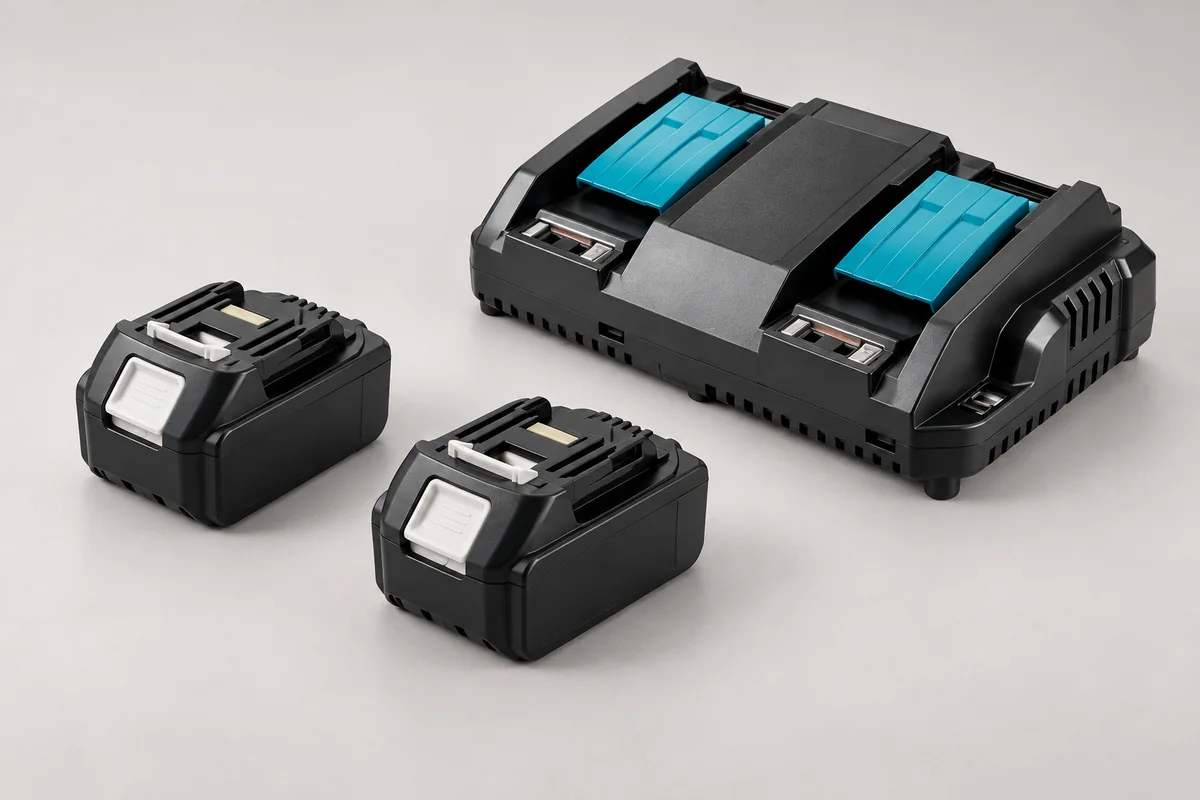
Batteries, charger, bits, auxiliary handle, tool case and spare parts.
Language, labels, barcode, inner packaging and master carton requirements.
Product body, battery, charger, case, documentation and carton should communicate one consistent market identity.
Discuss your OEM programme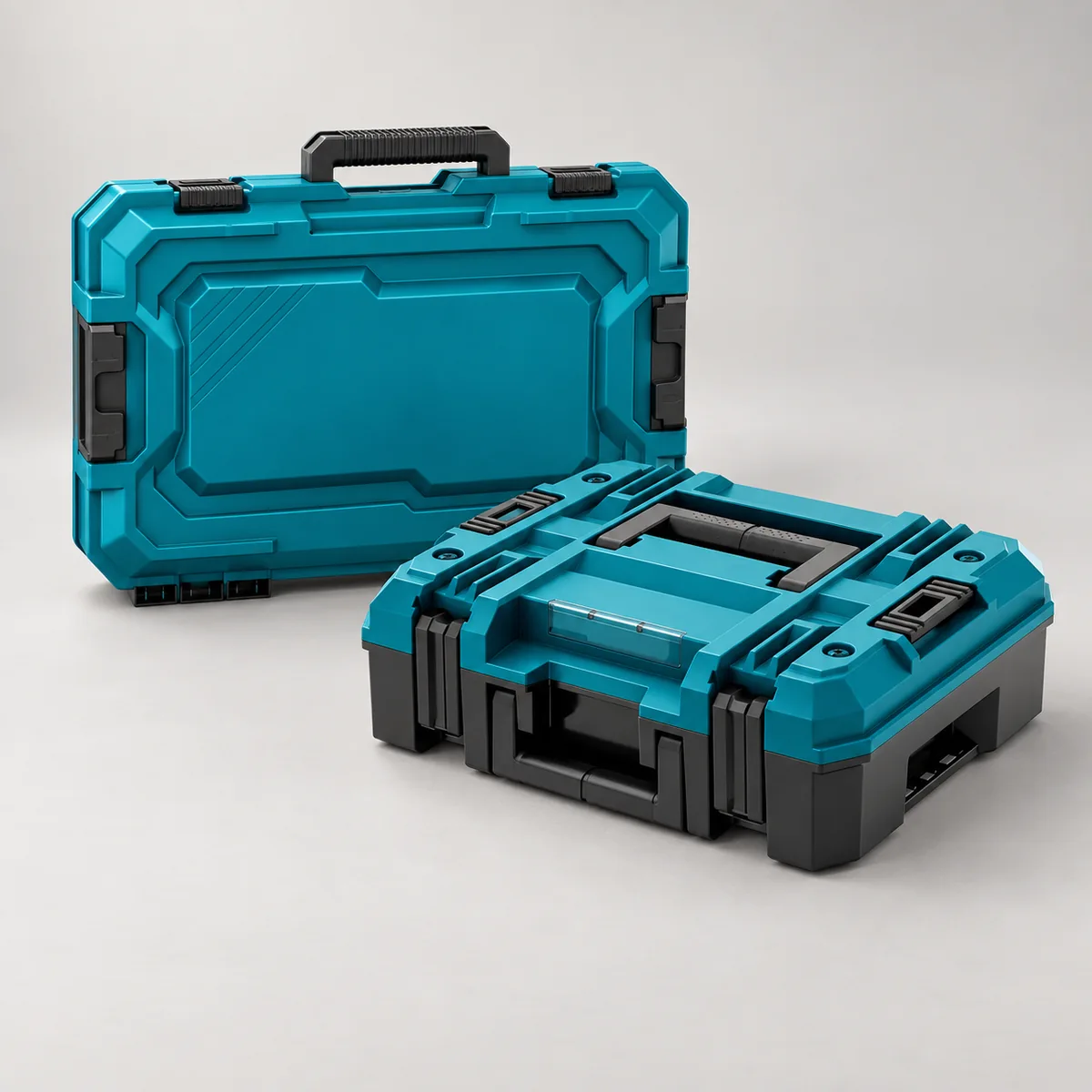
The exact inspection scope depends on the approved product and commercial agreement.
Confirm the model, key parameters, battery system and kit contents against the approved order.
Review operation, switches, charging, basic performance and visible workmanship.
Verify housing color, logo, labels, manual, accessories and carton artwork.
Confirm pack-out, carton count and documentation before export handover.
Build a tool range around your customers’ applications, target price and destination market. A useful OEM brief identifies the product and battery platform first, then sets out branding, kit contents, packaging and acceptance requirements.
Start from an available model and confirm logo position, housing color, rating label, accessories and packaging. Check which changes are feasible for the model and quantity before approving artwork.
Changes to the housing, motor, electronics, battery interface or tooling need a separate technical and commercial review. Confirm engineering scope, tooling ownership, validation work and project costs before treating an ODM request as an ordinary branding order.
Record the exact model, voltage convention, key performance requirements and supplied accessories. For cordless tools, identify both the battery and charger models; matching voltage does not establish compatibility.
Agree a sample reference and a written specification. Include housing color, logo files, label content, manual language, barcode placement and pack-out. If a sample changes, update the approved record before production.
Set the inspection scope with the order: which functions and measurements to check, how to document results, and how a deviation will be handled. Request the documents relevant to the exact product and destination market.
Separate the tool, batteries, charger and accessories when comparing offers. Ask which sample, tooling, packaging, testing and freight costs are included, and confirm the agreed commercial terms.
Discuss a power tool OEM projectThe quantity depends on the selected model, branding method, color, kit and packaging. Send the quantity per model and required changes so the applicable minimum and any setup costs can be confirmed.
Specify every component and its model, quantity and packaging position. Battery fit, charging requirements and destination plug must be confirmed for the chosen platform before approving the kit.
Provide the model, order quantity, customization scope and required delivery date. Ask for separate sample, artwork, production and shipping milestones; the schedule is confirmed for the specific order.
Start with the destination market and exact model. Agree the relevant declarations, reports, labels and manual requirements before ordering. Confirm that each document covers the product and configuration being supplied.
Keep the approved sample reference, specification revision, artwork and bill of kit contents with the order. Compare the next order against those records and approve any component or packaging changes in writing.
Share the category, price position, quantity, destination and customization scope.