
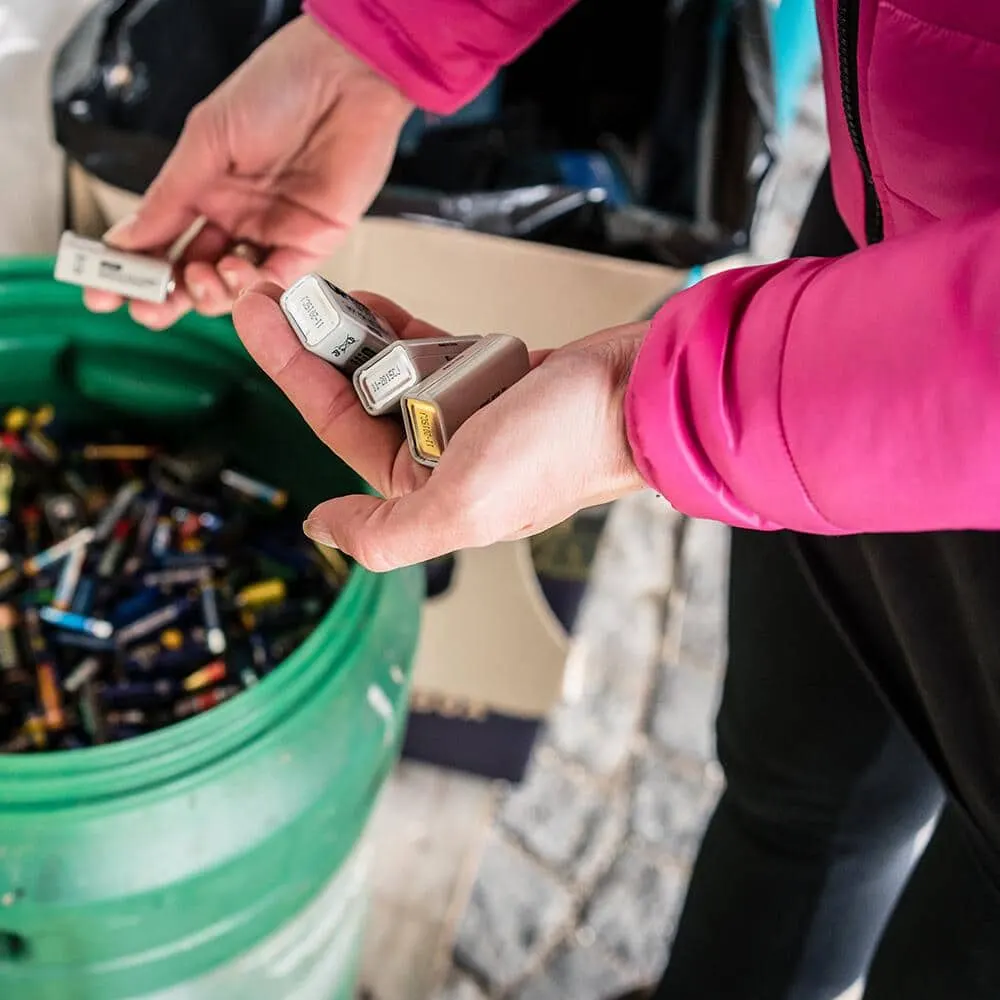
Before sending used power tool batteries for recycling in South Africa, confirm two things: who is responsible for take-back under your arrangement, and whether the collector accepts the exact battery type and condition you have. Approval for intact packs does not cover swollen, damaged or unidentified packs by default. Get acceptance and transport instructions in writing before booking collection.
Who owns take-back and reporting?
Extended producer responsibility (EPR) assigns responsibilities for products after use. Check the applicable South African rules for the products you place on the market and the legal entity that does so. A distributor that imports the packs may have a different role from one that buys locally. Ask the responsible party or its producer responsibility organisation (PRO) to confirm in writing which products it covers, who arranges collection and who reports quantities. A warranty credit is a commercial decision, not evidence that a pack was recycled.
For the South African portable battery sector, start with Government Notice 3179 and confirm the rules that apply to your packs and legal entity. Notice 8145 of 5 November 2026 published proposed EPR regulations for comment; the notice itself did not put those proposals into force.
Match each return to a route the collector accepts
Record the model, chemistry as labelled or documented, quantity, condition and return reference. Use serial or lot numbers when available. Mark unreadable information as unknown; do not assume two housings that look alike contain the same chemistry. Keep suspect packs out of saleable stock and follow the workplace procedure. If a pack is hot, smoking or hissing, keep people away and activate the site emergency plan; do not handle it or put it with routine returns.
For a cool but damaged or swollen pack, contact the designated safety lead and the qualified collector for instructions. Before handover, ask what the carrier can accept, who confirms applicable dangerous-goods requirements and who provides the required packaging and documents. Do not put a suspect pack into the ordinary parcel or mixed recycling stream.
What proves the handover is closed?
Suppose you recorded 12 intact packs and one damaged return. If the booked collection accepts only the 12 intact packs, tie the collection or destination record to those 12. Keep the damaged pack open on the register until its separate route is confirmed. Reconcile the quantity or weight at each step and record any rejected items. A collection receipt proves collection; keep the downstream treatment evidence your arrangement requires rather than treating the receipt as proof of recycling.