
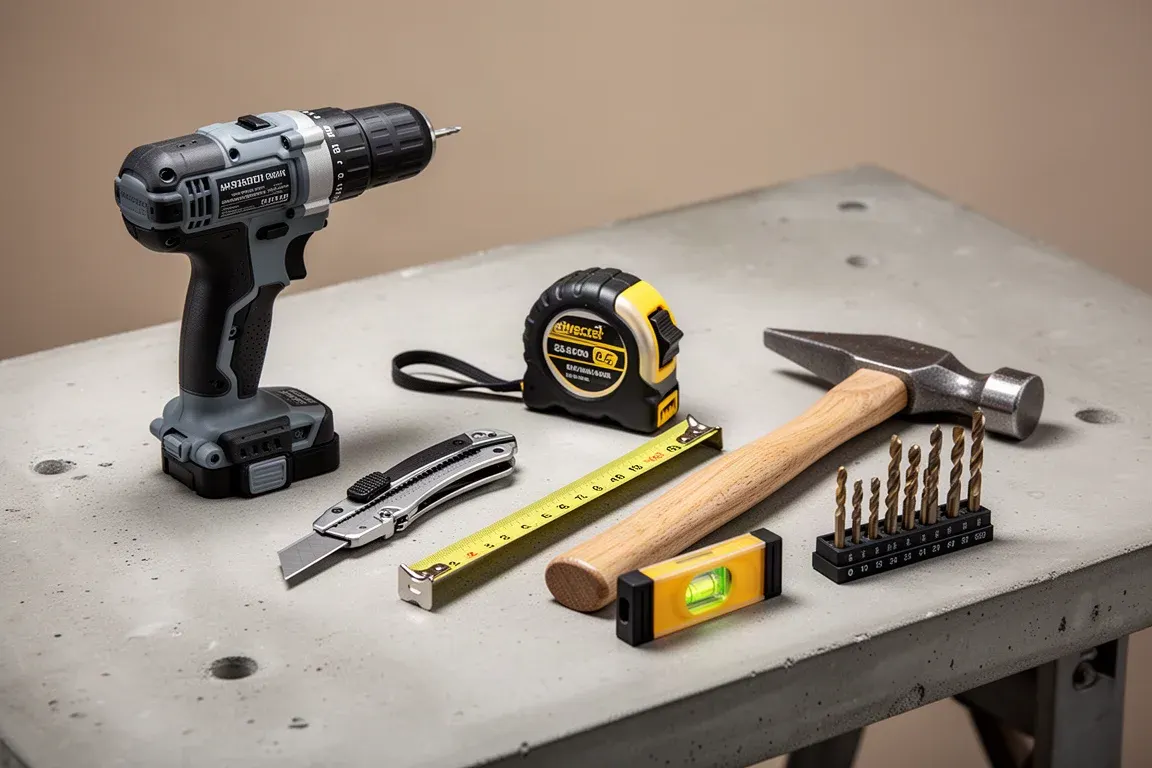
For a private-label power tool, approve the defined configuration and the evidence that production can reproduce it—not just a good-looking sample. A PPAP-style review can help organize that evidence, but automotive PPAP is not automatically a requirement for every tool order. Agree the scope with the supplier before quoting or scheduling production.
What does PPAP-style approval mean?
PPAP means Production Part Approval Process. AIAG’s automotive-industry framework addresses whether a supplier understands engineering requirements and can consistently meet them during actual production. In this article, “PPAP-style” means borrowing that evidence-based approach for a tool purchase. It does not mean FORZMAX has obtained a PPAP certificate or that a sample approval replaces market-specific compliance work.
Formal PPAP has defined submission requirements. Its levels describe what evidence is submitted or available for review, not a simple ladder from low quality to high quality. Level 4 is customer-defined; it is not automatically Level 3 plus a factory audit. If your customer requires formal PPAP, use the applicable manual and that customer’s instructions. Otherwise, name the documents and decision criteria directly instead of writing an unexplained “Level 3” into an inquiry.
Start with the production configuration
Identify the model and revision, intended use, destination, battery and charger references, kit contents and approved artwork. Link the specification to the sample ID and relevant component list. A sample with one motor and a quotation allowing an unspecified substitute are not the same approved configuration. For parts that affect safety or performance, agree how substitutions will be assessed before accepting them.
Consider a hypothetical drill order: the hand-built sample works, but the planned production charger has a different model code. Do not infer equivalence from the same plug or output voltage. Ask what changed, which compatibility and safety evidence applies, and whether a production-representative sample is needed. This is a review decision, not an instruction to perform electrical tests yourself.
Ask how the process will repeat the result
Request evidence from the intended production process, with dates, model revision, sample selection and test conditions. A polished demonstration unit cannot establish production consistency. A useful control plan names the characteristic, method, frequency, acceptance criterion and action after a failure. For example, a critical fastener check needs a specified method and approved limit—not simply “tighten well.”
The amount of evidence should follow product and process risk. Measurement reliability is not automatically optional: if two inspectors cannot obtain comparable readings, a pass/fail decision may be unreliable. Ask qualified quality staff how the measuring system was assessed. Do not confuse calibration alone with proof that the complete method, fixture and operators produce dependable results.
A Cpk number is not a release decision
Cpk is a process-capability index comparing the position and spread of process data with specification limits. NIST explains capability in the context of a stable process and relevant statistical assumptions. Ask which characteristic was measured, how the data were collected, whether the process was stable and whether the calculation suits the distribution. A number without those details is not a useful assurance of future batches.
Do not impose 1.33, 1.67 or another value as a universal power-tool rule. The customer and qualified quality team should define any required threshold and supporting study. A high Cpk for one dimension does not establish electrical safety, battery compatibility or the quality of every feature. Record unresolved evidence and the resulting release restriction rather than treating the headline number as approval.
Keep a reference sample and controlled records
A Golden Sample is an identified approved reference sample. Record its configuration, custodian, approval date and the written specification it represents. Agree storage, handling and replacement because a physical sample can deteriorate. Where a measurable requirement matters, the written limit and test method should remain clear; visual comparison alone cannot establish compliance.
Keep the specification, component revisions, artwork, test evidence and approval decision linked in one revision record. State who may release production and how any conditional approval is limited by quantity, date or outstanding action. For destination-market documents, verify the issuer, scope and exact model coverage with competent reviewers. Not every requirement is satisfied by a third-party certificate.
Reassess changes and plan shipment acceptance
Agree notification triggers for relevant changes to materials, cells, electronics, tooling, manufacturing location or process—not only a redesign. Assess their effect on the approved evidence and decide what must be updated or retested. An existing report might remain applicable within its supported scope; neither automatic acceptance nor automatic rejection is a substitute for that assessment.
Before shipment, specify the inspection method, sampling plan where appropriate, defect definitions and acceptance rules. Writing only “inspect per AQL” leaves decisions unresolved; acceptance sampling also does not guarantee a defect-free shipment. For a FORZMAX inquiry, send the intended market, model configuration, quantities and required approval evidence. Ask for an agreed review scope and schedule, not an unsupported promise that one sample proves the whole order.