
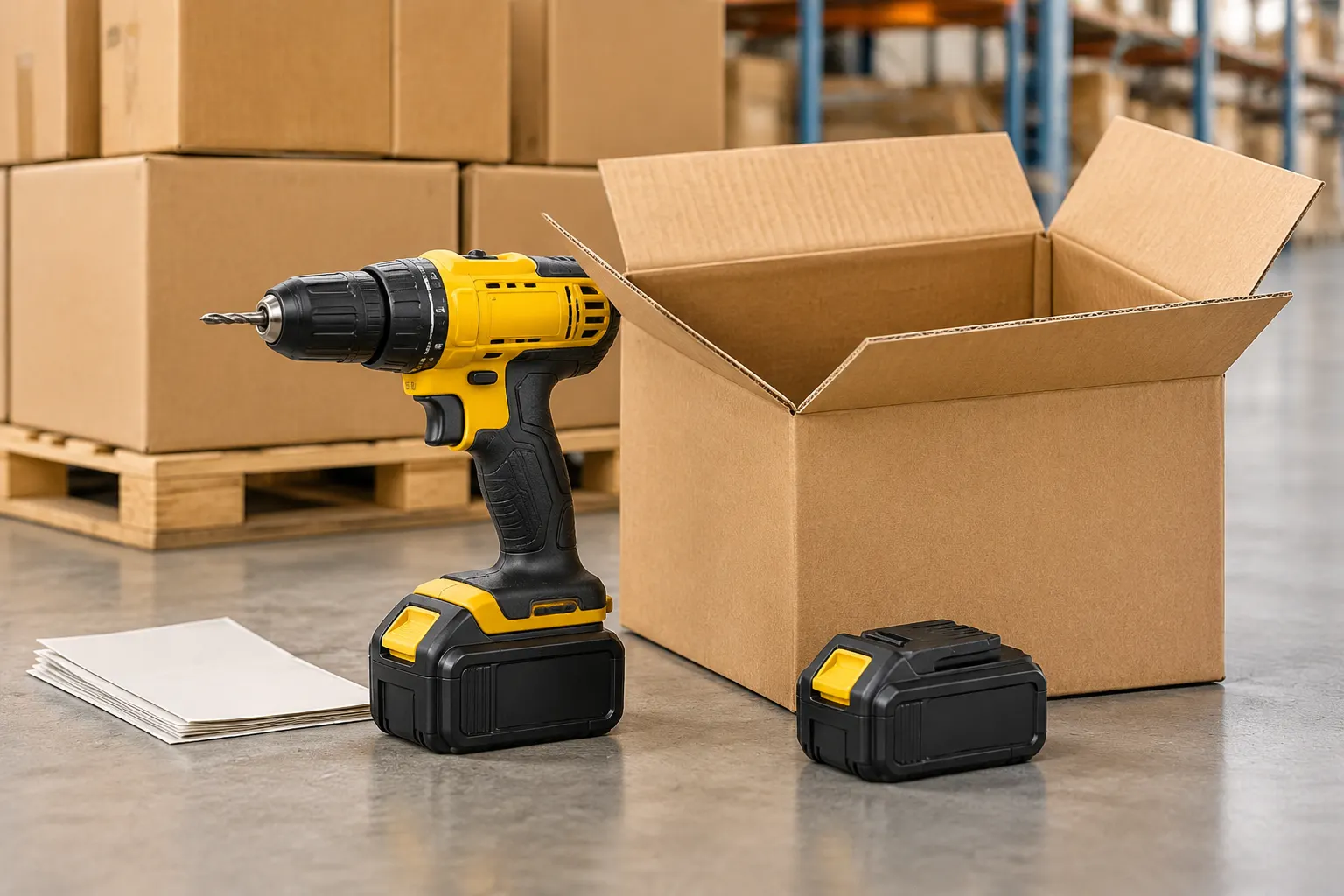
If a credible safety issue is reported, block sale and dispatch of potentially affected stock while your safety lead confirms the scope with the manufacturer and checks local reporting duties. Apply the hold across warehouses, stores, marketplaces and pending orders. Do not wait for a final serial range to stop a suspect shipment. A sales hold is a precaution; it is not the same as a decision to announce a recall.
Use what you know to set the initial hold
Open one incident record with the model, lot or serial, reported fault, when it occurred, photos if safely available and where else those units went. For example, three deliveries used the same retail SKU, but the battery lot is confirmed on only one delivery. Hold the confirmed lot and the inventory you cannot yet separate from it. Narrow the hold only when records support the distinction. Keep a written record of why the scope changed and who approved it.
Tell affected buyers what to do next
Confirm who will lead communications and how you will meet jurisdiction-specific notification and reporting requirements. In South Africa, consult the National Consumer Commission (NCC): product recall guidance for the relevant process. Where a recall notice is needed, show exactly how to identify the affected product, explain the hazard and state the action and remedy clearly. Give dealers and marketplaces consistent wording and a way to confirm that they stopped selling. Do not tell customers to mail a damaged battery through an ordinary parcel service; give them the approved route. A hot, smoking or hissing battery is an emergency: follow local emergency guidance and do not handle it.
Count the outcomes, not the emails
Maintain one ledger by lot or serial. Separate stock on hold, delivered units awaiting response, completed remedies and unresolved units. For example, if 80 units are in scope and 25 are still in your warehouse, holding those 25 leaves 55 downstream to account for; 55 emails sent does not mean 55 remedies completed. Retain contact attempts and evidence of each completed action. Follow the manufacturer's and regulator's instructions for reporting and closure, and record the decision before any stock is released.